










Fat loss vs weight loss is one of the most misunderstood topics in fitness, and it’s the reason a lot of people work hard, lose weight, and still feel disappointed with how they look and perform. The scale moves, clothes fit differently, but strength drops, energy crashes, and workouts feel heavier than they should. That’s not bad luck; it’s the result of chasing weight loss instead of fat loss.
Here’s the truth most people don’t hear early enough. Weight loss is just a change in overall body weight. That weight can come from water, glycogen, muscle mass, or body fat. Fat loss is different. It’s the deliberate process of reducing stored body fat while holding onto lean muscle and strength, which is what actually improves performance and body composition.
When fat loss is the priority, training feels better instead of worse. Strength holds, recovery improves, and your physique changes in ways the scale doesn’t always show. That’s the real difference between fat loss and weight loss, and when you understand it, the products you build your plan around actually start working with your training instead of against it.
Understanding Weight Loss And Fat Loss Basics
We see this mistake all the time. Muscle mass, body fat, water, glycogen, and bone. It all gets lumped into one number.
Fat loss works differently. It takes more discipline, but it changes body composition in a way that actually supports performance and long-term weight management.
If your goal is to look better, train harder, and keep results instead of chasing them, fat loss and weight loss cannot be treated as the same thing.
What Happens When You Lose Weight?
Early weight loss feels rewarding because it’s fast. We’ve all seen it. Calories drop, carbs drop, sodium shifts, and the scale suddenly cooperates. Most of that early loss comes from losing water as glycogen stores empty, not from burning fat.
The problem shows up later. As weight loss continues, the body looks for energy anywhere it can find it. Without enough protein and resistance training, that energy comes from muscle tissue. When muscle mass drops, metabolic rate drops with it, and performance follows right behind.
That’s how people end up lighter, flatter, weaker, and frustrated, even though they “did everything right.”
How Body Fat Differs From Overall Weight And Fat Loss
Body fat isn’t just stored energy. It’s a metabolically active tissue that influences hormones, inflammation, and insulin sensitivity. Excess body fat, especially visceral fat around the abdomen, increases the risk of chronic conditions like type 2 diabetes, heart disease, and obesity. Supporting a healthy insulin response with a glucose disposal agent can help direct carbohydrates into muscle tissue rather than storing them as body fat.
We can put two athletes on a scale at the same weight and see completely different physiques. One carries more muscle and less fat. The other carries more fat and less lean tissue.
That’s why fat loss, not general weight loss, is what actually moves the needle.
How Body Fat Percentage Changes The Conversation
One of the biggest mistakes we see during a weight loss journey is relying on the scale as the primary source of feedback. The scale can provide a snapshot of actual weight, but it tells you nothing about fat percentage, muscle mass, or where changes in body composition are coming from. That’s why weight may fluctuate even when fat loss is happening.
When the goal is fat loss, body fat percentage matters more than body mass. Losing fat while maintaining muscle changes how you look, move, and perform, even if the number on the scale barely shifts. This is where people confuse weight loss vs fat loss, because the visual and performance changes don’t always line up with scale weight.
Understanding the key differences between scale weight and body fat helps differentiate between fat loss and general weight loss, and keeps progress from feeling discouraging when the scale stalls.
Tools Used To Measure Body Fat
There are several ways to assess body fat, each with different levels of accuracy. A caliper test using skinfold calipers estimates body fat by measuring subcutaneous fat just beneath the skin. While not perfect, it provides a repeatable way to track changes over time when performed consistently.
More advanced methods like dual energy x-ray absorptiometry, often called DEXA, offer detailed insight into fat, muscle, and bone distribution. These scans show where fat is stored, how muscle is distributed, and how the body stores are changing during fat loss phases. While not necessary for everyone, they can be useful checkpoints.
The takeaway is simple. The scale alone does not reflect changes in body composition, water retention, or how much fat you’re actually losing.
Visceral Fat, Subcutaneous Fat, And Weight Management Risk
Where you store body fat matters just as much as how much you lose. This is one of the biggest blind spots in most weight loss journeys, because the scale only reflects body mass, not the type of fat you’re carrying or how it affects your health. Understanding where fat is stored helps differentiate between fat loss and weight loss and explains why changes in body composition often matter more than changes in actual weight.
Why Where You Store Fat Matters For Fat Loss And Weight Management
Not all body fat behaves the same way. Subcutaneous fat sits just under the skin and is often what people notice visually. Visceral fat, which surrounds internal organs, carries a greater health risk and plays a larger role in metabolic dysfunction.
Excess visceral fat is associated with insulin resistance, cardiovascular disease, and conditions that affect adults with obesity and older adults more aggressively. This is why fat loss, not just weight loss, matters from a health standpoint. Fat can raise inflammation levels and disrupt hormone signaling long before visual changes appear.
Fat loss strategies that focus on training, nutrition, and physical activity help reduce harmful fat stores while supporting muscle retention.
Why We Focus On Losing Fat And Maintaining Performance
At Evogen, we don’t chase scale weight. We focus on outcomes. Fat loss improves strength retention, training quality, recovery, and metabolic health. Weight loss alone doesn’t guarantee any of that.
When fat loss is the priority, we see athletes:
- Maintain muscle mass in a calorie deficit
- Train harder instead of backing off
- Improve body composition without wrecking recovery
- Avoid weight regain once dieting ends
The Problem With Losing Muscle Mass
Muscle loss is the fastest way to sabotage results.
We see it constantly in aggressive weight loss phases:
- Strength falls off
- Endurance drops
- Recovery slows
- Hunger increases
Losing fat without losing muscle isn’t optional if performance matters. It’s the baseline.
Why Weight Loss Maintenance Fails: Long-Term Weight Management
One of the hardest parts of any weight loss program isn’t losing weight. It’s keeping it off. We see people slash calories, drop weight fast, and then wonder why it all comes back a few months later.
When calories get cut too hard, and muscle isn’t protected, the body adapts. Metabolism slows down. Fewer calories are burned at rest. As soon as normal eating returns, fat regain becomes almost inevitable. That’s the cycle most people get stuck in.
Fat loss approaches that protect muscle and support training work better long term because the body doesn’t feel like it’s under attack. Strength stays higher, metabolism stays healthier, and the results actually last.
Best Strategies For Losing Fat Without Losing Muscle
Fat loss works when the body gets the right signals. We don’t rely on extremes. We rely on consistency.
That means:
- A controlled calorie deficit, not starvation
- Strength training is the foundation
- Cardio used strategically, not obsessively
- Protein intake is high enough to protect muscle tissue
This approach allows the body to tap into stored fat while keeping lean muscle intact.
Protein Intake For Muscle Maintenance
Protein intake becomes non-negotiable when calories drop. It supports muscle tissue, improves satiety, and reduces muscle loss during fat loss phases.
What we consistently recommend for losing fat without losing muscle:
- Eating plenty of protein daily
- Prioritizing complete protein sources
- Distributing protein evenly across meals
- Using supplementation when whole food intake falls short
A high-protein diet supports fat loss, muscle retention, and recovery when it’s done correctly.
Combining Cardio And Strength Training
Strength training stays at the center of any fat loss plan we build. It tells the body that muscle is needed. Cardio supports fat loss by increasing the calories you burn and improving cardiovascular health, but it never replaces resistance training.
The most effective structure we see includes:
- Strength training 3 to 4 days per week
- Cardio 1 to 3 days per week
- A mix of steady-state and higher-intensity sessions
Fat loss improves when training works together, not when one replaces the other.
Creating A Sustainable Calorie Deficit For Weight Management
We don’t chase aggressive deficits because they cost more than they deliver. A moderate calorie deficit supports fat loss while preserving muscle mass and training output.
For most people, that means:
- Reducing intake by around 500 calories
- Tracking long enough to establish consistency
- Avoiding drastic cuts that lead to weight regain
Fat loss is about control, not punishment.
How Diet And Exercise Actually Drive Fat Loss
Fat loss still comes down to energy balance. Diet and exercise determine whether the body uses stored fat for fuel or holds onto it. The goal is not starvation, but creating a manageable deficit based on the number of calories consumed versus calories burned.
Daily physical activity matters more than most people realize. Training sessions matter, but so does movement outside the gym. Walking, recovery work, and lifestyle movement all contribute to fat loss without compromising muscle.
When calories are controlled intelligently, the body is more willing to release fat while preserving lean tissue.
The Role Of Resistance Training In Fat Loss
Resistance training changes body composition in ways cardio never will. It preserves lean muscle, supports metabolic rate, and improves how the body handles glucose.
Weight training also supports fat loss by increasing calories burned after workouts and improving long-term weight management. That’s why it stays non-negotiable in any performance-driven program.
What Research Shows About Fat And Muscle Retention
Multiple peer-reviewed studies, including data from a randomized controlled trial and more than one randomized trial, show that resistance training combined with adequate protein supports fat loss while maintaining muscle.
The data is consistent. Programs that prioritize building muscle, proper recovery, and moderate calorie deficits outperform aggressive weight loss approaches focused only on scale reduction. These strategies improve body composition and reduce the risk of muscle loss.
This is why we don’t separate fat and muscle. The goal is to lose fat and maintain muscle at the same time.
Supplement Strategies For Fat Loss And Weight Loss Goals
Once you understand the difference between fat loss and weight loss, supplement choices stop being confusing. We see people struggle because they’re using the right products for the wrong phase, then blaming the plan when results stall.
We don’t look at supplements as shortcuts. We look at them as tools that support training, consistency, and adherence. When fat loss or weight management is the goal, the priority shifts away from stimulation and toward products that help the body mobilize fat, manage calories, and protect muscle while the work gets done.
That’s where fat loss and weight management–focused supplements matter most.
Evidence-Backed Supplement Stacks For Fat Loss Vs Weight Loss
When fat loss is the goal, the objective is clear: reduce body fat while maintaining performance and lean muscle. This is where targeted support for fat metabolism and energy utilization becomes valuable.
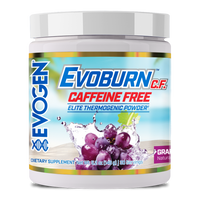
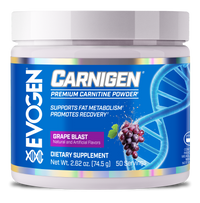
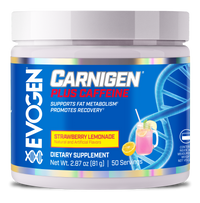
This is why we suggest supportive supplements like Carnigen Liquid and Evoburn during fat loss phases. Carnigen supports fatty acid transport and energy production, helping the body rely more on fat as fuel. Evoburn complements that by supporting thermogenesis and calorie expenditure without forcing aggressive stimulation. For athletes keeping training intensity high while in a calorie deficit, pairing with EVP AQ Liquid Glycerol pre-workout helps sustain pump support and hydration so performance doesn’t slip just because calories are low.
These supplements don’t replace training or nutrition, but they make fat loss easier to sustain when calories are controlled, and output still matters.
How Weight Loss Phases Change Supplement Priorities
When the focus shifts toward weight loss and tighter calorie control, the goal becomes adherence and consistency. Training output is still important, but appetite management, energy balance, and recovery take priority.
In these phases, Evoburn remains a strong option to support calorie control and metabolic output, while Carnigen continues to assist with fat utilization during lower-calorie training days. The emphasis isn’t pushing harder; it’s staying consistent long enough for the plan to work.
That’s the difference between using supplements to chase scale weight and using them to support long-term weight management.
Supporting Training Without Overcomplicating Fat Loss
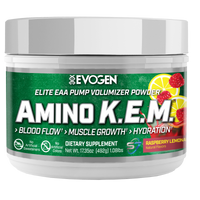
Protein, amino acids, and pre-workouts still have a place, but they’re not the centerpiece here. Products like Isoject Whey Protein Isolate and Amino K.E.M. help support muscle retention and recovery, while pre-workouts such as EVP Xtreme N.O. or EVP-3D can be used strategically to maintain training quality when energy dips.
The key is context. They support performance around a fat loss or weight management plan that’s already built correctly. These products don’t replace calorie control, consistency, or targeted fat loss support from products like Carnigen and Evoburn.
Why Performance Always Comes First
At the end of the day, fat loss vs weight loss isn’t just a debate over words. It’s a decision about how you want to train, recover, and perform long-term. We’ve seen too many athletes chase scale weight, lose muscle, and then wonder why their strength, energy, and confidence disappeared along the way. That’s what happens when weight loss becomes the goal instead of better body composition.
This is where our Founder and CEO, Hany, has always been consistent. Whether he’s coaching Olympia-level athletes or everyday lifters, the focus has never been on the scale alone. Conditioning, muscle retention, training output, and consistency come first. That’s why we build fat loss and weight management strategies around tools that support those priorities, including targeted support like Carnigen Liquid and Evoburn, alongside smart nutrition and training habits that hold up over time.
When you shift your focus to fat loss instead of just losing weight, everything starts to line up. Training stays productive. Recovery improves. Muscle mass is preserved. If you want results that last, it comes down to training with intent, fueling to protect muscle, and choosing fat loss strategies that support long-term performance, not short-term scale wins.